
An enquiry is the start of a shared specification
Custom material projects often begin with a photograph, a sample or a general idea about the finished product. The first useful step is to turn that idea into a brief that both the buyer and supplier can discuss. Guangzhou Chengyu Environmental Protection Materials Co., Ltd. describes its work as including PVC artificial leather and PU-related custom production, with experience in printing, embossing and film-related finishing processes. The exact route for a new project depends on the selected material and intended result. An initial enquiry should therefore explain the goal and invite a feasibility discussion, rather than assume that every process is available for every construction.
Explain your business application
Tell the supplier whether the material is intended for packaging, bags, furniture, flooring, wall covering or another use. The company materials mention these application areas, but an application name alone is not enough to approve a specific item. Describe the finished product and how your team plans to convert or assemble the material. Identify the visible surfaces, the desired feel and any project constraints already known. If the enquiry is exploratory, make that clear. A supplier can respond more usefully when it understands whether you are selecting from existing samples, adapting a current appearance or beginning a new development discussion.
Provide a reference with an explanation
A reference sample is more effective when accompanied by a short explanation of what you want to preserve or change. Perhaps the pattern is suitable but the color is different, or the appearance is right but a new backing is required. Identify those distinctions explicitly. If you supply several references, explain the role of each one so the supplier does not combine unrelated features unintentionally. Label physical samples and digital files consistently. When the reference belongs to another party, confirm that you have the necessary rights to share and use it for the proposed purpose before asking for reproduction or development work.
Discuss confidentiality before detailed artwork
Chengyu states that it can sign an NDA before cooperation. If the project includes confidential drawings, brand assets or an unreleased product concept, discuss the handling requirements before sending the complete package. Limit the first enquiry to the information needed for an initial conversation, then share additional material through the agreed process. Be specific about who may use the artwork and for what purpose. Permission to evaluate or manufacture a design does not automatically include permission to display it publicly. Agree separately whether photographs of samples or finished materials may appear on a website, in a catalogue or at an exhibition.
Separate company capability from item specification
A company overview describes the range of work a supplier may discuss. A product specification describes the exact item offered for an order. Keep these two levels separate. The fact that a company works with several material families does not establish which family is used in a particular sample. Likewise, a process mentioned in the company profile does not prove that it is included in every catalogue item. Ask the supplier to confirm composition, backing, thickness, usable width and finish for the specific proposal. This keeps the quotation grounded in the selected product and avoids turning broad capability statements into unsupported item-level claims.
Identify the decisions that are already fixed
A useful brief distinguishes requirements from preferences. Mark a customer-mandated dimension, an approved artwork file or a required evaluation method as fixed. Mark a preferred color direction or an estimated order volume as provisional when it is still open to discussion. Tell the supplier where recommendations would be welcome. This helps the team focus its response and avoids repeated revisions caused by assumptions about what can change. If several departments are involved, agree internally on the fixed items before sending the brief. A single coordinated request is easier to evaluate than conflicting messages from purchasing, design and production.
Ask for an appropriate sample proposal
The sample stage should have a defined purpose. Ask what the proposed sample will demonstrate and which details it will represent. It may be intended to review appearance, confirm a construction or support a conversion trial. Do not assume that one sample settles every question. Chengyu gives a usual sample preparation reference of three to seven days, depending on complexity, but the supplier should confirm the actual schedule for your project. Clarify any information or approval needed before preparation begins. When the sample arrives, use the agreed criteria to review it and record the result against a clear sample reference.
Organize feedback around observable changes
Good sample feedback identifies what was observed and what change is requested. Rather than saying that the sample feels wrong, describe the feature your team wants to discuss and, where possible, provide a comparison reference. Keep appearance comments separate from technical questions. Collect comments from different reviewers and send one consolidated list to the supplier. State which features are accepted so that they are not changed unnecessarily during the next revision. A dated feedback record helps both teams understand why a new sample was requested and prevents an earlier version from being confused with the current proposal.
Make testing requirements explicit
If the project needs particular performance evidence, provide the requirement and ask how it can be evaluated for the proposed construction. The company says that SGS reports can be discussed according to customer needs. Ask what reports are available, what sample they concern and whether their scope matches your project. Do not use a result from a different material as proof for the current item. If a new test is required, agree the sample, method, timing and responsibility before production planning relies on it. A clear testing discussion is more useful than a broad claim that a material meets every market requirement.
Build the quotation around the agreed scope
A quotation request should bring together the selected sample, construction, finish, quantity and supply format. Add any agreed labeling, packaging, documentation or development requirements. Ask the supplier to identify exclusions and open items. If the project is still at an early stage, distinguish an indicative discussion from a final offer. Avoid comparing prices from quotations with different specifications or quantities without first reconciling those differences. A well-described scope makes the commercial conversation more transparent and helps a buyer understand what changes when a pattern, material, order size or delivery requirement is revised.
Discuss order quantity without inventing demand
The company FAQ indicates that mixed orders can be discussed. If you want several materials in one enquiry, list each item and its estimated quantity separately, and ask the supplier to confirm the available arrangement. Do not assume that all samples share the same minimum order or production schedule. If the first order is a trial, say so and provide a separate forecast for possible repeat business. Forecasts help explain the project but should remain clearly labeled as estimates. This keeps the supplier informed without creating the impression that an unapproved future volume is already committed.
Confirm packing and project identification
Chengyu states that neutral packaging or customer-requested logos and labels can be arranged according to the project. Discuss these needs while defining the quotation, not only after production is complete. Explain what your receiving or conversion team needs to identify each item correctly. Ask how the material reference, color and quantity will be documented, and confirm any special requirements before they are treated as part of the order. For projects with several versions, clear labeling is particularly useful. It connects the physical material with the approved sample and reduces confusion when different teams handle purchasing, receipt and conversion.
Create a realistic timeline with decision gates
A custom project timeline includes more than factory production. Allow for brief preparation, feasibility discussion, sample preparation, dispatch, review, revision and final order approval. Chengyu gives a usual bulk production reference of fifteen to thirty days, subject to the order and material circumstances. Confirm the actual commitment after the specification and quantity are agreed. Distinguish factory completion from destination arrival and discuss logistics separately. If a launch date is fixed, communicate it early and ask which decisions must be completed by which dates. A timeline with clear approval points is easier to manage than a single expected delivery date.
Keep the final approval package together
Before releasing an order, assemble the current specification, approved sample reference, final artwork where applicable, quotation and commercial details. Make sure the documents agree with each other and identify the current revision. Any remaining question should have an owner and a resolution before it affects production. If something changes after approval, ask the supplier to confirm the impact rather than assuming the change is minor. This approach supports a cleaner handover from development to order processing. It also gives colleagues a useful record when they need to arrange a repeat order or investigate a difference later.
Use factory visits to answer specific questions
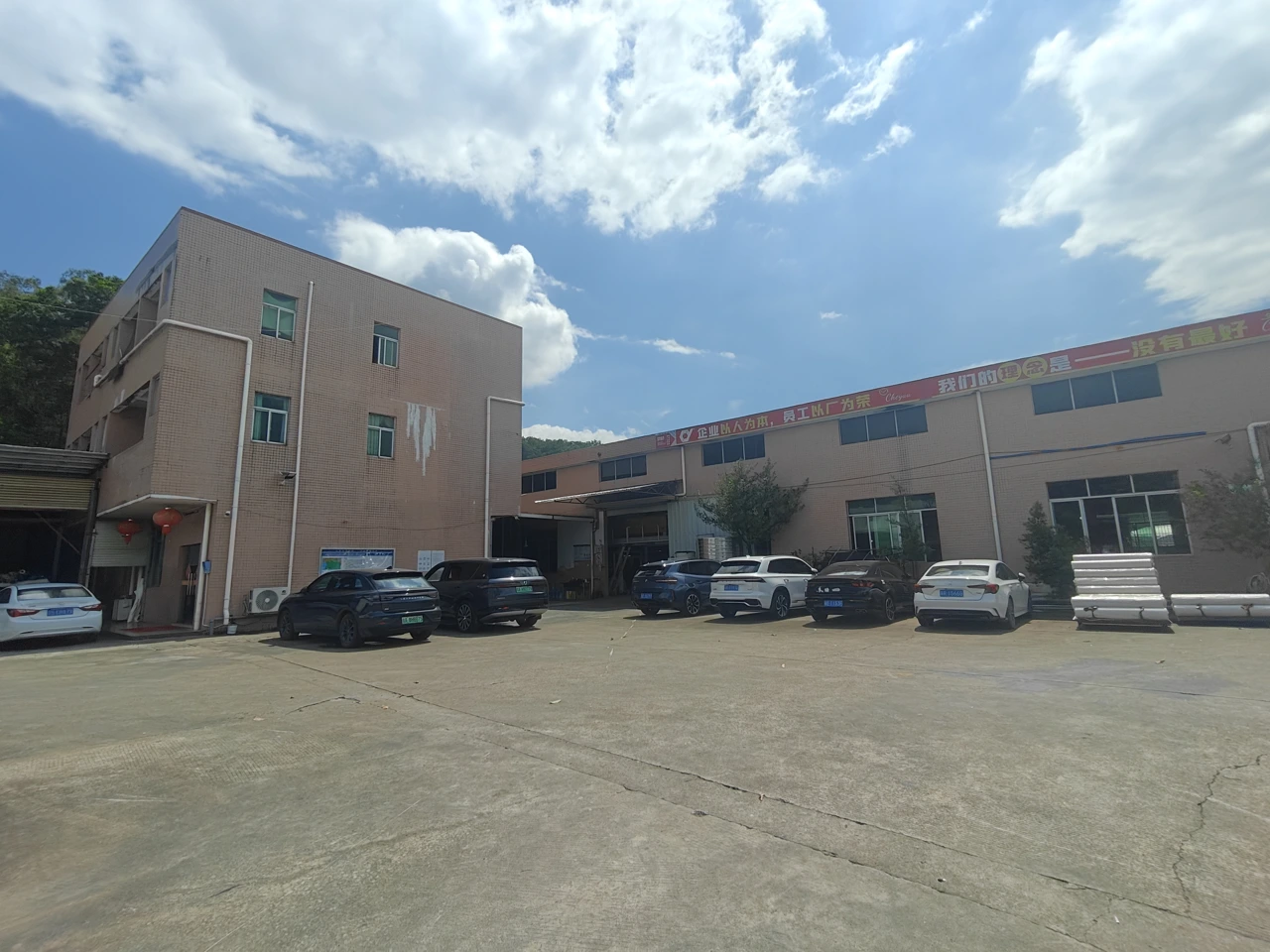
The company welcomes appointments to discuss visits and lists locations in Guangdong and Jiangxi in its supplied FAQ. Confirm the exact site, address, contact person and visit purpose before making arrangements. A visit is most useful when the buying team has a focused list of questions about the proposed project and the activities relevant to it. Ask which processes or samples can be reviewed and which information should be provided in advance. Do not infer the capabilities of every location from a photograph of one building. Match the discussion and observations to the supplier location and production scope actually involved in your enquiry.
Start with a concise message to the team
To begin an OEM/ODM material discussion, contact [email protected] with the intended application, a reference you are authorized to share, target specifications if known, approximate quantity and timing requirements. Identify any confidentiality restrictions before sending detailed artwork. Guangzhou Chengyu Environmental Protection Materials Co., Ltd. can then discuss the next step and confirm the information needed for a sample or quotation. A concise but structured enquiry respects the time of both teams. It establishes the project purpose, makes assumptions visible and creates a practical route from an early idea to an approved sample and a clearly defined order.