
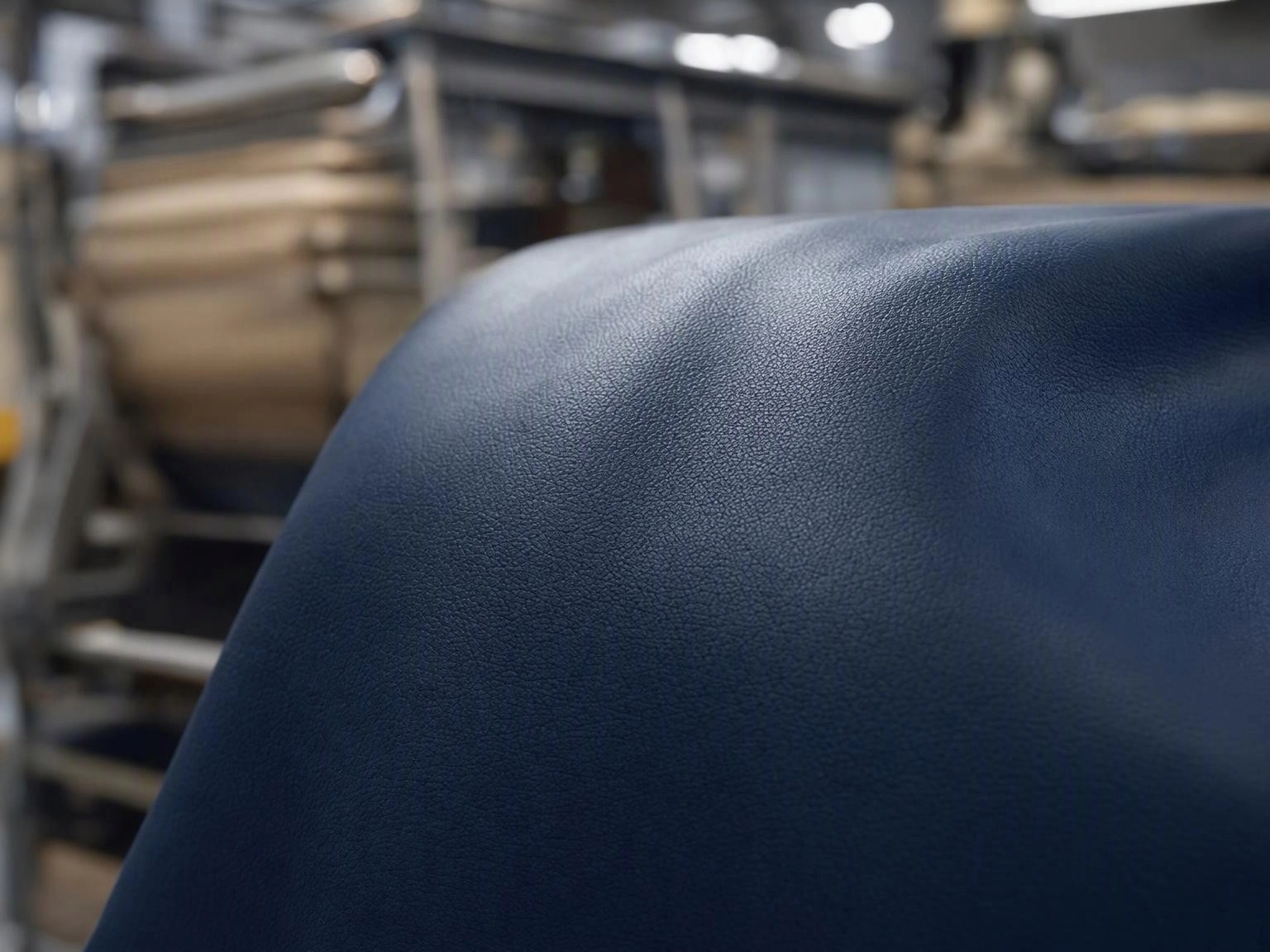
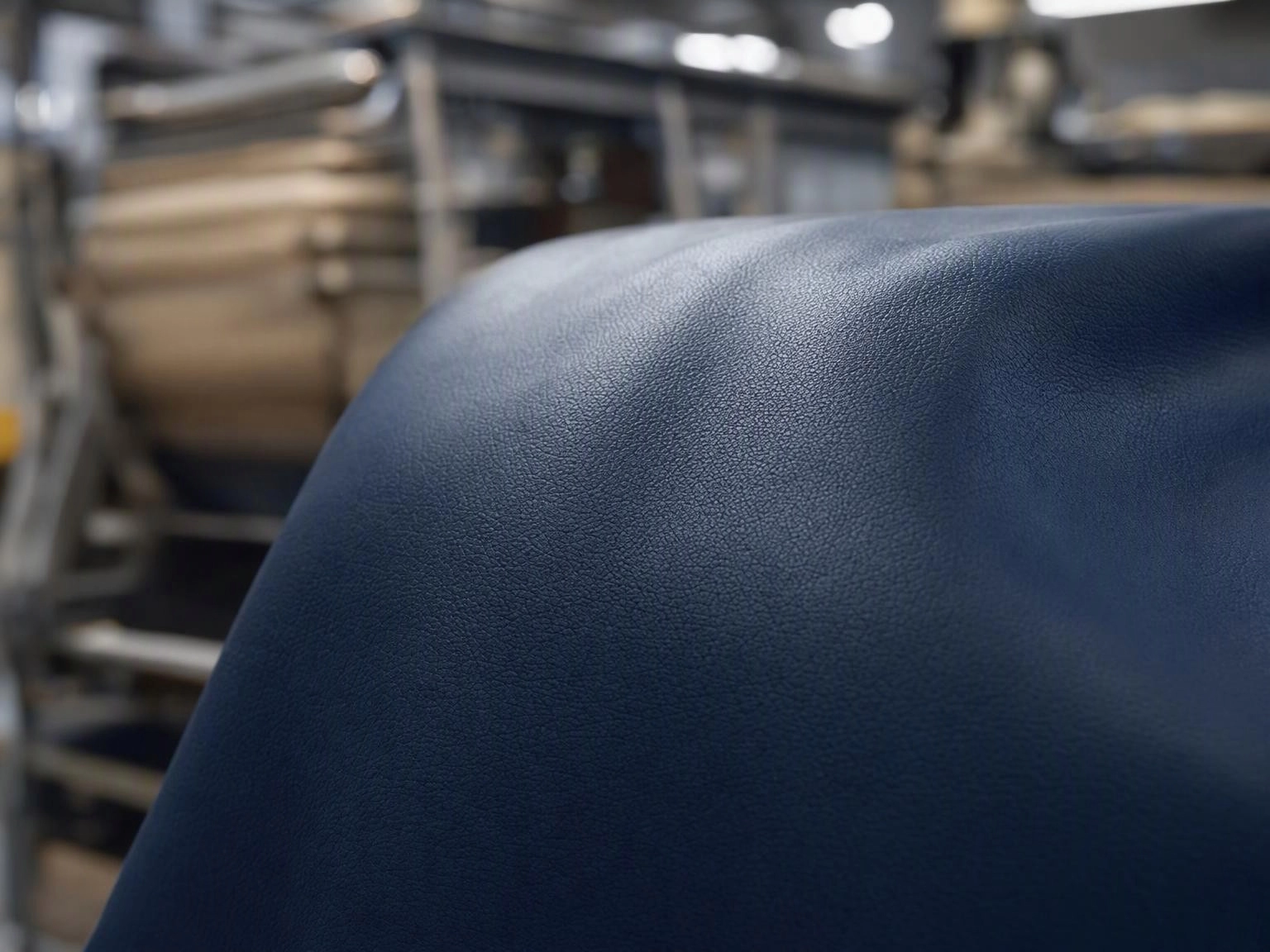
Scratch and scuff are not the same failure
The two words are often used together, but they describe different events. A scratch is a narrow line cut into or across the surface, usually by a sharp edge. A scuff is a broader mark, often a transfer of material or a change in surface appearance, caused by a dull object rubbing across the surface.
The distinction matters because the remedies differ. Scratch resistance depends on the surface's ability to resist a concentrated point load. Scuff resistance depends more on slip, surface energy and the ability of the surface to recover or to conceal a mark.
Why hardness alone does not solve scratching
The intuitive answer to scratching is to make the surface harder, and that helps with the narrow line type of damage. But increasing hardness reduces elasticity, and a harder surface that is repeatedly flexed will crack before a softer one does. Hardness also tends to raise the risk of brittle failure at edges and folds.
The more durable approach is to balance hardness with a degree of elastic recovery, so that a light contact which does not cut the surface is absorbed and recovered, and only a genuinely sharp contact leaves a mark. This balance is what separates a topcoat that performs for years from one that performs in a showroom.
Gloss level and its effect on visible damage
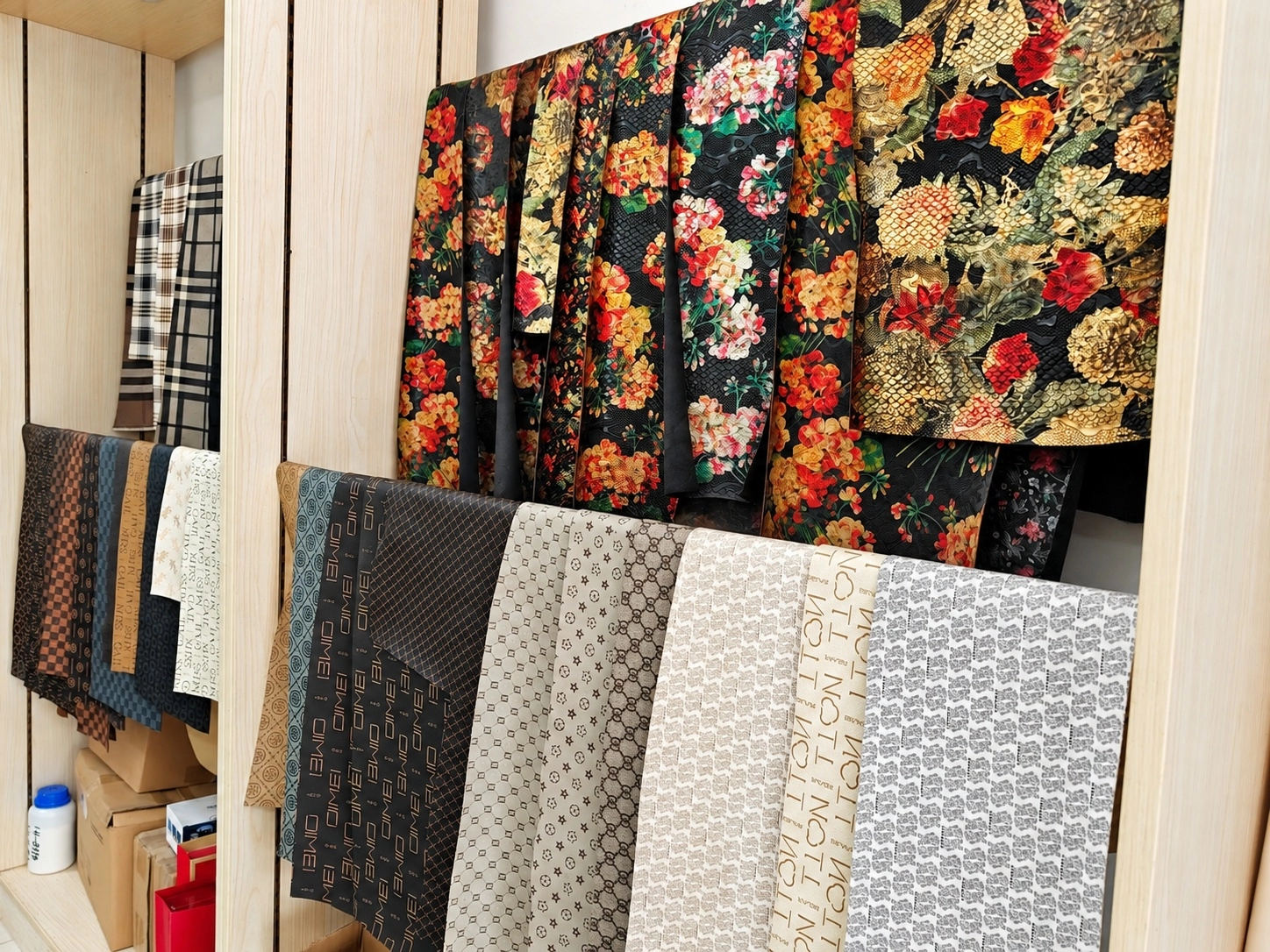
The same scratch is far more visible on a high gloss surface than on a matt one. On a glossy surface, a scratch interrupts the mirror reflection and appears as a bright or dark line that the eye picks up immediately. On a matt surface, the same scratch scatters light in a way similar to the surrounding texture and is far less noticeable.
This is the main reason matt and low sheen finishes are associated with durability in use, even when the underlying coating is comparable. Choosing gloss level for the real environment, rather than for the display board, is one of the most effective decisions available to reduce visible damage complaints.
Slip surface energy and scuffing
Scuffing is largely a friction event, so reducing friction reduces it. Additives that lower surface energy allow an object to slide across the surface rather than grip and drag. The trade off is that a very slick surface can look artificial to the hand and can affect how the material holds in converting operations such as folding, gluing and stitching.
Where slippage has been maximised for scuff resistance, the converting steps should be reviewed together with the surface specification, because a surface optimised purely for slip can cause feeding problems or weak bonds later in the process.
Verifying against real daily use
Laboratory scratch tests use a controlled stylus under a defined load, which is repeatable but narrow. Scuff tests use a defined abrading motion against a defined counterface. Both are useful for comparing candidates, and neither fully represents daily use.
The most informative verification combines a standard test with a practical trial: a small batch of finished product handled, packed, transported and unpacked under realistic conditions, then inspected. This catches the damage modes that laboratory tests miss, such as abrasion against packaging material or marking during assembly, and it produces a defensible answer about how the surface behaves rather than how the coating is rated.