
Start with the finished package
A useful packaging material enquiry begins with the finished object. A gift box, wine presentation box, document cover and decorative container may all use an outer covering, but they do not necessarily share the same construction or conversion process. Tell the supplier what you are making, how the covering will be applied and which surfaces will remain visible. Include photographs or drawings of your own project when possible. A clear application description gives both teams a shared reference before discussing a particular color or pattern. It also helps separate an attractive sample from a material that has actually been evaluated for the proposed package.
Describe the role of the material
State whether the material is intended for an exterior panel, wrapped edge, internal surface or another part of the package. Explain whether the finished item will be folded, cut into small panels or assembled around corners. These details belong in the purchasing brief even when the supplier is providing material rather than making the final package. Your converter should participate in the review because the approved material will eventually enter its production process. Do not assume that a pleasing photograph proves compatibility with your construction. Request a physical sample and make a trial using the actual board, adhesive and equipment proposed for the project.
Choose a visual direction from real samples
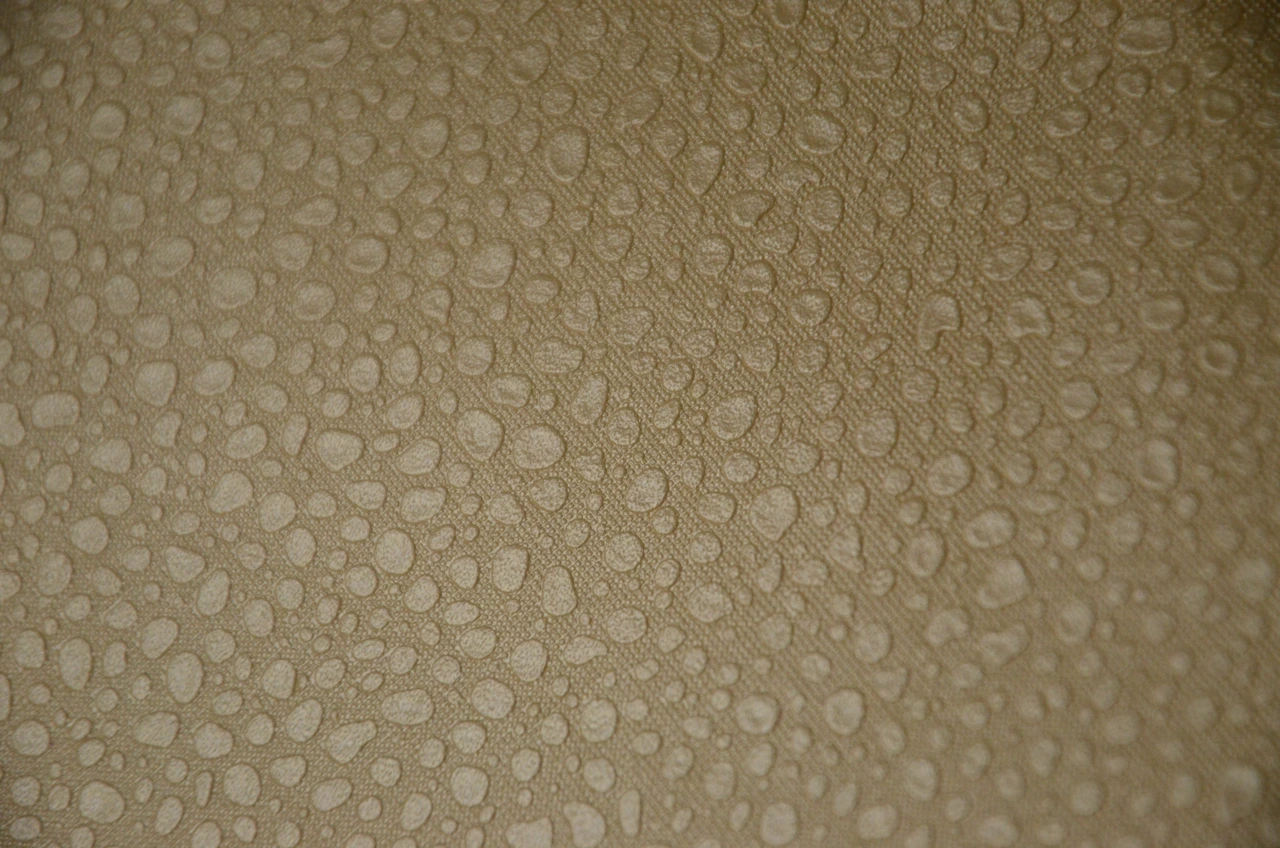
Chengyu supplied sample photographs for several packaging textures, including geometric, stone-inspired, honeycomb, crosshatch and printed patterns. Use these as starting points for a discussion, rather than treating the images as a complete specification. Select the general appearance you want and explain which features matter most: the size of the repeat, the direction of the pattern, the visual contrast or the feel of the surface. If two images look similar, ask for a confirmed sample reference. This is especially useful when filenames, internal model numbers and sales descriptions do not yet match. A confirmed reference prevents the wrong sample from becoming the purchasing standard.
Approve color away from the screen
Product photographs help a buying team narrow its selection, but they are not a substitute for physical color approval. Lighting, camera settings and the device used to view an image can change the apparent finish. Ask for a sample in the intended color and review it alongside the other parts of your package. Record the approved sample reference and the conditions used during your review. When several people are involved, nominate one person to consolidate comments so that the supplier does not receive conflicting requests. If a later change is necessary, identify the revision explicitly rather than simply asking for a color that is slightly warmer or darker.
Request the exact material construction
The visual name of a texture does not establish its chemical composition. For example, a carbon-fiber-look pattern describes an appearance and should not be read as a claim that the material contains structural carbon fiber. Ask the supplier to confirm the composition, backing, thickness and usable width of the specific sample under consideration. Chengyu describes its broader work as involving PVC artificial leather and PU-related production, but the correct construction for an individual item still needs to be confirmed. Keep the product-specific specification attached to the quotation. This makes it easier to compare proposals without assuming that similar photographs represent identical materials.
Give dimensions and quantity a clear meaning
A quotation request should state the required quantity and its unit. Include the size of the finished panels if this helps explain the application, but distinguish panel dimensions from the width and length of supplied material. Ask the supplier to confirm the usable width, available supply format and the order quantity used in the quotation. If you are still estimating demand, give a realistic trial quantity and a separate forecast for later orders. Label the forecast as an estimate. This allows the supplier to evaluate your request without interpreting a future volume target as a purchase commitment or an agreed minimum order.
Turn performance expectations into questions
Terms such as durable, premium and easy to clean are useful descriptions of intent, but they do not define an acceptance test. Explain the handling conditions that matter for your package and ask which tests are relevant to the proposed material. If your customer has a written protocol, provide its current version and the required result. Do not apply a test result from one material automatically to every texture in a catalogue. Chengyu states that SGS test reports can be discussed according to customer needs. Ask which specific sample and test conditions a report covers, and arrange any additional evaluation required for your own project.
Treat artwork and confidentiality as project inputs
Custom artwork should be supplied only when you own it or have the necessary authorization to use it. If a design contains a customer logo, licensed character or distinctive brand pattern, agree how it may be used and who may see it. Chengyu says it can support an NDA before cooperation, which can help structure a confidential development discussion. An NDA and permission to publish product photographs are separate matters. Tell the supplier whether development samples may appear in a catalogue, exhibition or website. Clear instructions help the teams handle artwork correctly and avoid confusing the ability to manufacture an authorized product with permission to advertise it publicly.
Plan the sample stage as a decision point
The company gives a usual sample lead time of three to seven days, subject to the complexity of the request. Treat this as a planning reference and obtain a project-specific schedule. Ask what information is needed before sample work can begin and how the sample will be identified when it arrives. Build time into your own plan for inspection and conversion trials. A sample should answer a defined set of questions rather than simply demonstrate that something can be made. Record which features are accepted, which require adjustment and which remain untested. Send one consolidated response so that the next step is unambiguous.
Separate sample approval from bulk release
Approving a sample does not automatically settle quantity, delivery date, packing or every commercial term. Before releasing a bulk order, bring the approved appearance, confirmed specification, quotation and order details together in one record. Chengyu gives a usual bulk production reference of fifteen to thirty days, with timing dependent on materials and scheduling. Confirm the applicable lead time for the actual order and clarify what event starts it. If your project has a fixed launch date, communicate that date early and distinguish production completion from arrival at your destination. This avoids using a general factory timing statement as a guaranteed delivery promise.
Ask for packaging and identification details
The company states that neutral packaging and customer-requested logos or labels can be discussed. Tell the supplier what identification your receiving team needs and whether different materials must remain separated. A useful label may include the agreed item reference, color, quantity and batch information, subject to what the supplier can provide. Ask how samples and production material will be matched to the approved specification. When ordering several patterns, list them individually rather than referring only to an assortment. Clear identification is particularly valuable when the same project uses closely related colors or several textures that look similar from a distance.
Compare quotations on the same scope
Before comparing headline prices, check that each proposal describes the same construction, quantity, width, finish and packaging requirements. Record what is included and what still needs a separate decision. Freight, sampling, testing and custom development should be discussed explicitly rather than assumed to be included. If a specification changes, request an updated quotation instead of relying on the price from an earlier version. This is a practical way to keep purchasing conversations consistent. It also creates a clearer record for colleagues who join the project later and need to understand why one sample or offer was selected over another.
Prepare a compact enquiry checklist
Your initial message can remain short while still being useful. Include the finished application, a selected sample or visual reference, desired color, target thickness and width if known, estimated quantity and destination. Add any required tests, artwork restrictions and timing requirements. Identify which details are fixed and which are open to supplier recommendations. If you do not know a specification, say so. Asking for advice is more useful than inserting an assumed number that might later be treated as a requirement. Attach only the drawings and photographs needed to explain the current decision, and provide a contact person for follow-up questions.
Keep changes visible throughout the project
Development often involves small adjustments. Record each change with a date or revision number and explain whether it affects appearance, material construction or the commercial scope. Keep an approved physical sample whenever practical, and make sure the supplier and converter are referring to the same version. A simple comparison table can help: requested change, supplier response, sample reference and approval status. This record does not need to be complicated. Its purpose is to prevent a comment from an early discussion being mistaken for the final instruction after the project has moved to a new color, pattern or quantity.
Frequently asked purchasing questions
Can a photograph be used to request a sample? Yes, it can communicate the desired appearance, but the supplier should confirm the sample identity and available construction. Can a custom project begin without a final quantity? An estimate can support an initial discussion, while the final quotation and order still require an agreed quantity. Does a pattern name establish a certification? No; ask for product-specific documentation where it is required. Can an authorized customer design be shown online? Publication permission should be agreed separately. These distinctions help a buyer request development work without accidentally turning preliminary information into a product promise.
Contact Chengyu with a project brief
Guangzhou Chengyu Environmental Protection Materials Co., Ltd. welcomes discussions about packaging materials and custom development based on drawings or samples. Send your project brief to [email protected] and identify the sample or texture you want to evaluate. The company address supplied for enquiries is No.19, 13th Team, Rulin Village, Huashan Town, Huadu District, Guangzhou City, Guangdong Province, China. Ask the team to confirm the appropriate sample route, current specifications and project schedule. Starting with a documented brief makes the first conversation more focused and provides a practical foundation for sample approval, quotation and later production decisions.